Do you breathe for emotional balance?
Feeling the air coming and going in your lungs is a great way to bring awareness to your body and the present. You can lower stress intensity when you breathe slowly and deeply to calm and soothe your nerves. You can breathe in other, more dynamic ways to lift energy if you feel dull and depressed. There are many
breathing practices ranging from relatively basic to advanced. These breath management tools are called pranayama. Prana means life force energy, and yama means to manage.
Expression, not Suppression
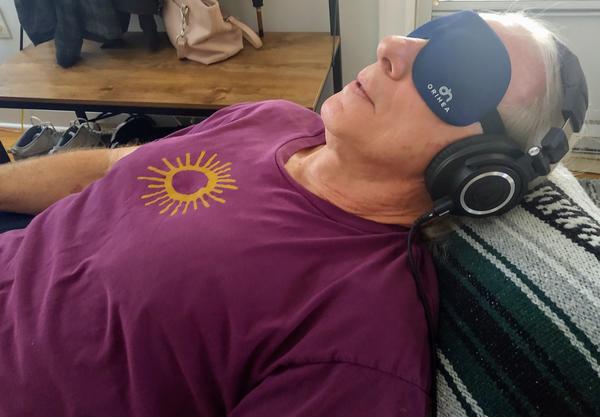
Breathwork is another thing altogether, developed as an alternative to traditional therapies that aim to suppress symptoms. These practices include Holotropic breathwork, which involves accelerated breathing and evocative music, done while the eyes are covered. The technique of Holotropic Breathwork was developed by Dr.
Stanislov Grof and psychotherapist Christina Grof to encourage symptoms to emerge and amplify, bringing them to full expression rather than suppression.
Get Unstuck
When you participate in an Integrative Breathwork session, you will be encouraged to fully express whatever emotions, movements, and sounds spontaneously arise. Symptoms are more than just a random event happening in your body and mind. They are crucial messages from inside; they represent the manifestation of your
healing capacity as it tries to free itself from traumatic memories or other biological blockages.
Immune System Boost
Neurons fire more rapidly during breathwork, releasing epinephrine (many people call it adrenaline). The epinephrine surge causes your immune system to increase anti-inflammatory activity and boosts its defense against bacterial toxins. Breathwork is generally safe, well-tolerated, enjoyable (actually, many of our
participants describe it as mind-blowing, surprising, fascinating, and empowering), and worth exploring to connect with the answers already within.